
Understanding the psychology of gambling How Fisherman can help you navigate the risks
Understanding the psychology of gambling How Fisherman can help you navigate the risks
The Allure of Gambling
The psychology of gambling is deeply rooted in human behavior and emotion. Many individuals are drawn to the thrill of taking risks, and the potential for high rewards often overshadows the inherent dangers. This excitement activates the brain’s reward centers, creating a rush that can be addictive. Players frequently chase the feeling of winning, leading them to engage in more gambling than they initially intended. For those looking to explore more options, lefisherman-ca.com offers exciting insights and opportunities.

The environment of casinos and online gambling platforms is designed to enhance this allure. Bright lights, engaging sounds, and the constant display of winners can create an atmosphere that encourages prolonged play. Understanding these psychological triggers can help individuals recognize their motivations and the potential pitfalls of gambling, allowing for more informed decision-making.
The Role of Cognitive Biases
Cognitive biases play a significant role in gambling behavior, influencing how players perceive odds and outcomes. For instance, the illusion of control can lead gamblers to believe they can affect outcomes in games of chance. This false sense of empowerment can encourage them to place larger bets or continue playing despite losses. Recognizing these biases is crucial for maintaining a healthy approach to gambling.
Moreover, the gambler’s fallacy—the belief that past outcomes influence future results—often leads players to make irrational decisions. By understanding these cognitive distortions, gamblers can mitigate their impact and make more rational choices while engaging with games like “Le Fisherman,” where the stakes and game mechanics can heighten emotional responses.
The Importance of Risk Management
Effective risk management is essential for navigating the gambling landscape. Setting strict budgets and limits can prevent individuals from chasing losses or overspending. It is crucial to approach gambling as a form of entertainment rather than a way to make money. By establishing clear boundaries, players can enjoy the excitement of games like “Le Fisherman” without succumbing to the risks associated with excessive gambling.
Furthermore, understanding the concept of low volatility in games can be beneficial. Games like “Le Fisherman” offer unique features such as cluster pays and bonus rounds, allowing players to engage without the constant pressure of high-stakes betting. This structure can provide a more balanced gambling experience, reducing the urge to chase losses.
The Social Aspects of Gambling
Gambling often has a social component that can enhance the experience. Players may enjoy the camaraderie of a group or the excitement of competing against friends. However, this social aspect can also lead to peer pressure and increased gambling behavior. Awareness of these dynamics is essential for maintaining responsible gambling habits.
The online gambling community, including platforms featuring games like “Le Fisherman,” creates virtual spaces for interaction. Players can share experiences and strategies, which can be beneficial, but it is vital to remain grounded in personal limits. Building a support network that encourages responsible behavior can enhance the gambling experience while minimizing risks.
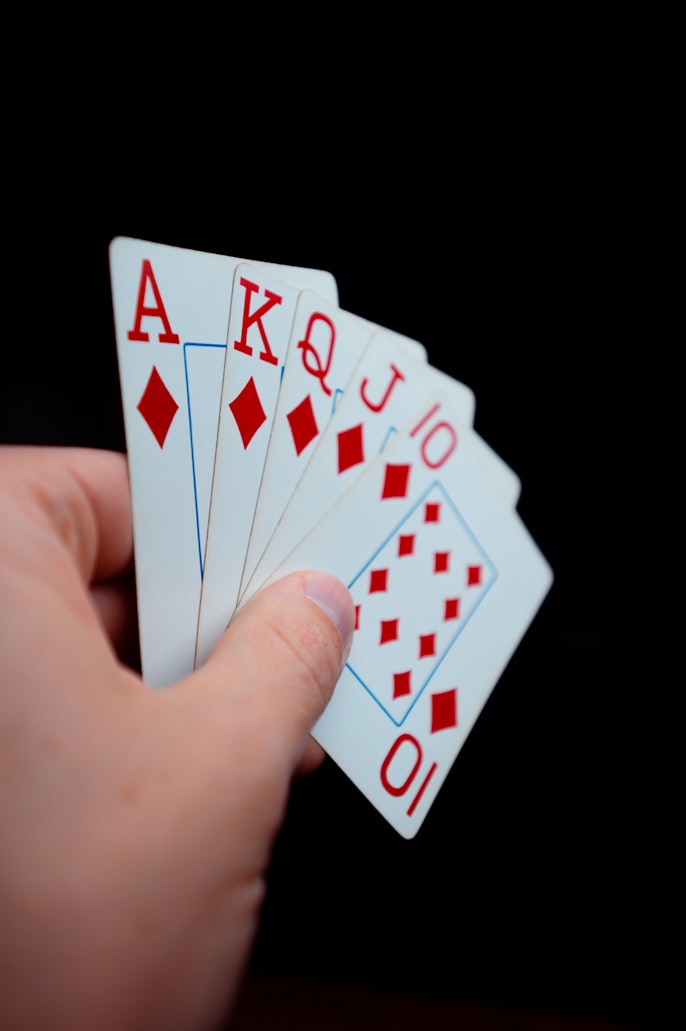
Exploring Fisherman and Responsible Gaming
“Le Fisherman” offers a captivating experience that combines enjoyment and the potential for profit. Engaging with this low-volatility game allows players to explore features that are not only entertaining but also encourage strategic play. By understanding the mechanics of the game, players can enjoy their time without losing sight of the importance of responsible gambling.
Ultimately, engaging with gambling should be a balanced endeavor. While games like “Le Fisherman” provide fun and excitement, they also come with inherent risks. Players are encouraged to take advantage of the resources available to help navigate these risks effectively. Responsible gaming practices will not only enhance enjoyment but also contribute to a healthier relationship with gambling.

0 Comment